.webp?w=200&h=80)

A flag collection record should tell you what the item is, where it came from and why you kept it. Photograph each actual flag, record its dimensions and add a short note about the design or occasion. That is more useful than a box containing several similar-looking flags and a memory of which trip each came from.
You do not need specialist software. A simple spreadsheet or notebook can work as long as you use the same fields consistently and can connect the record to the physical item.
Give each physical flag its own entry
Start with an identifier, such as a short collection number. Keep that number on the storage sleeve or container rather than attaching something that could damage the fabric.
Record the flag's name, measured dimensions, purchase or acquisition date and source. Include a photograph of both sides if they differ. If an item came from a particular event, write that story separately from the description of the national or organisational design.
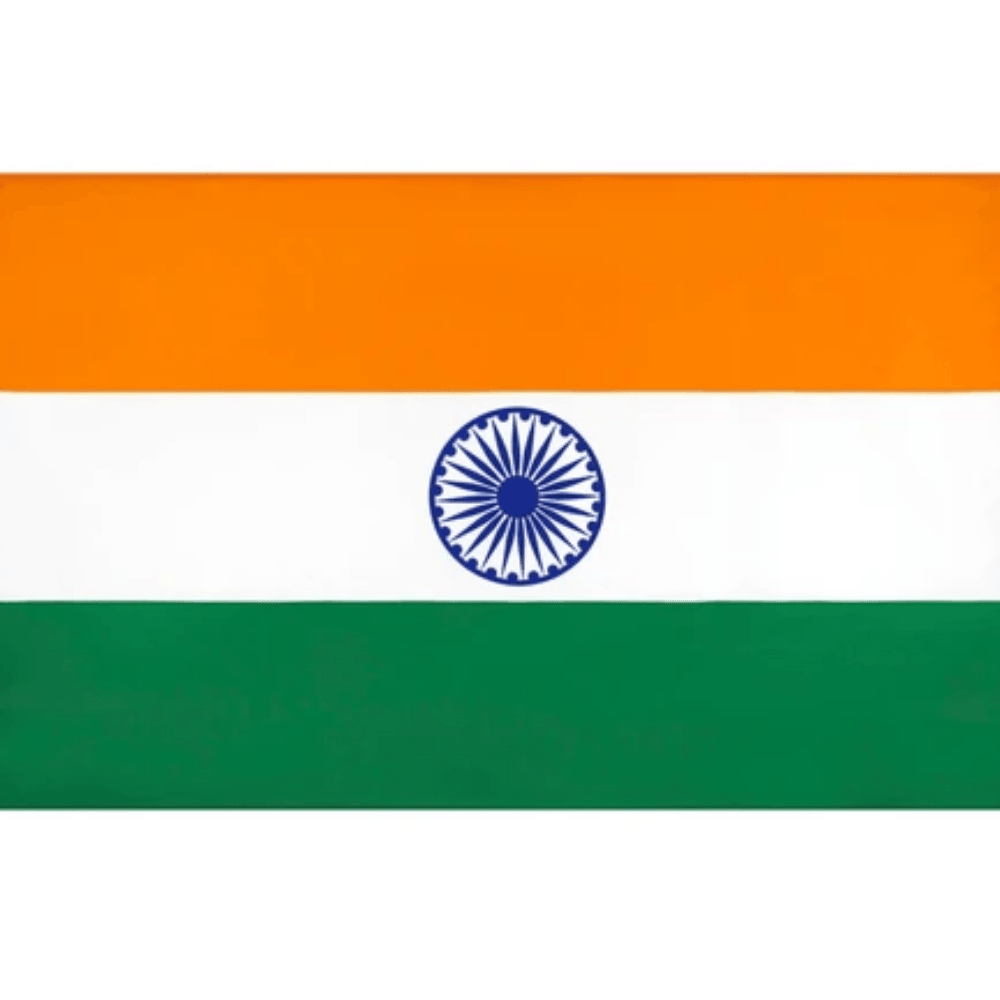
For catalog purchases such as Globe Flags' India Flag or Norway Flag, keep the order details alongside the item's entry. A product description identifies the purchased item; it is not a complete historical source for the flag's symbolism.
Separate design facts from personal memories
Use two short notes. One can describe your connection: a family visit, language study or an event. The other can contain researched design information with a source and date.
Avoid copying an unsourced explanation of colors or symbols just because it sounds plausible. Look for the relevant government's or organisation's official material. Some designs change over time, and a historical flag should not be labelled as the current design without checking.
If you cannot verify a detail, leave the historical note unfinished rather than turning a guess into a label. The record can grow as you learn.
Add a display log
Note when a flag was displayed, whether indoors or outdoors, and any care performed according to its instructions. This helps distinguish an item kept mainly for collecting from one that has been used regularly.
Inspect the item before putting it away. Record visible wear rather than assuming every flag in the collection remains in the condition in which it arrived. Store it clean and dry according to the material's care guidance.
If you display several national flags together, check the protocol for the country and setting. For a US context, the Department of Veterans Affairs' flag information discusses displaying national flags at equivalent height and approximately equivalent size in peacetime. Other settings can have additional requirements.
Build a display shortlist from the record
Before an event, choose items by the actual theme and available space. Do not assume every flag in a collection has identical dimensions or mounting details. A Greece Flag and another country's design should be checked individually even when their product titles list a similar size.
Use the record to confirm what you already own before ordering a duplicate. If you deliberately want a second copy for regular display, mark its role so it does not get confused with a keepsake.
Keep it small enough to maintain
Begin with five entries rather than waiting for the time to catalogue everything. Photograph the item, record the basics and add one sentence about its story. Repeat whenever you acquire or display another flag.
The value of a collection is not just how many flags it contains. A clear record preserves the context that makes each one meaningful and helps you display it more thoughtfully.