.webp?w=200&h=80)

A Peace Day flag display is most useful when the flags support a conversation rather than stand in for one. Explain how the selection was made, label each flag accurately and avoid suggesting that one flag can represent every part of a person's identity.
The United Nations marks the International Day of Peace on September 21. If you are preparing a community or workplace display this September, there is time to decide what visitors will learn or discuss before ordering decorations. A clear local purpose is more valuable than copying an official event's branding.
Give the display one clear purpose
Choose a question that invites participation: “Which place would you like to learn more about?” is different from “Where are you really from?” The first invites curiosity; the second can make someone feel they must explain or defend their identity.
Keep participation voluntary. People may have connections to several places, no interest in selecting a national flag, or a preference not to discuss personal history at an event.
For example, a workplace could pair its display with a board for recommended books, languages people are learning or local community activities. Flags become a starting point, not a test of belonging.
Explain why these flags are present
A limited display cannot represent every country or community. Say whether the selection reflects a teaching topic, countries discussed in an event or contributions people chose to make. Leave a way to suggest additions without implying that purchasing more items is the only answer.
Avoid arranging flags as an unexplained hierarchy. If you use an alphabetical layout, say so. If a formal protocol applies to your setting, check the relevant official guidance separately; informal decorating advice is not diplomatic protocol.
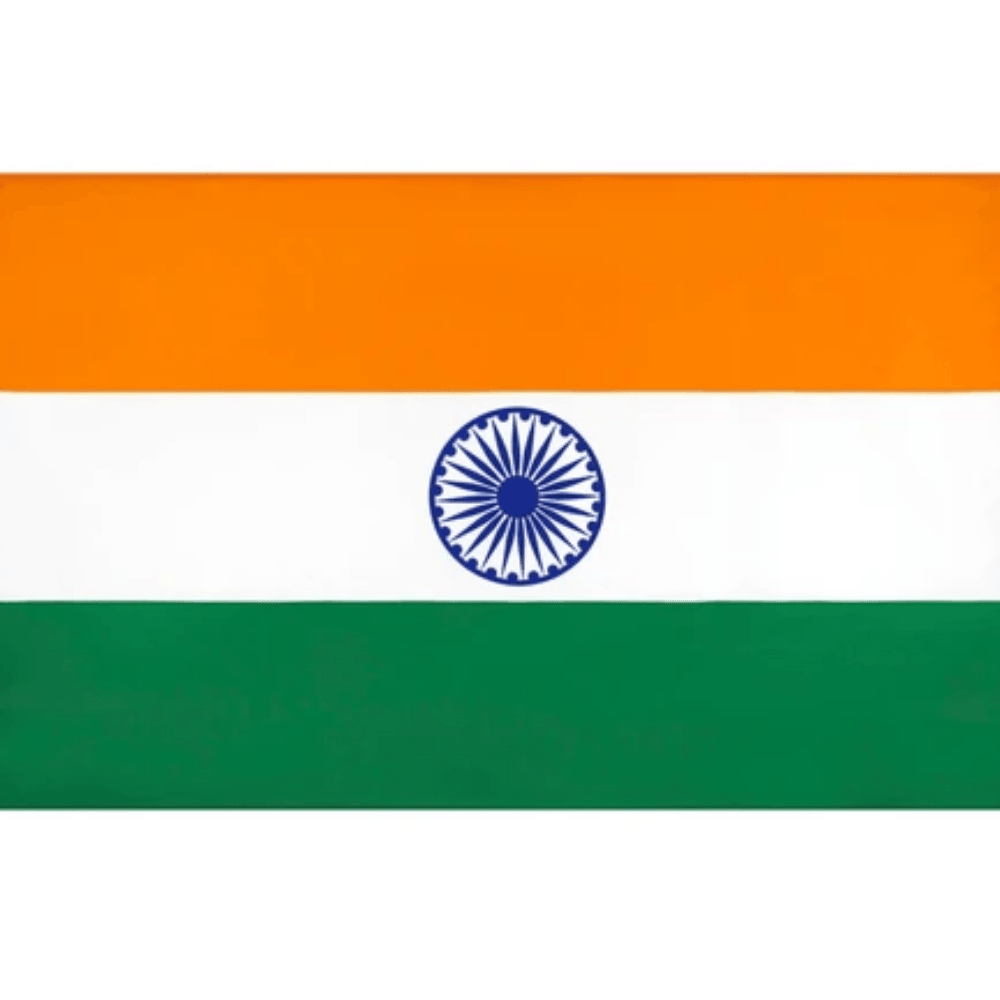
The India flag and Norway flag are examples available in the catalog, not an endorsed or complete Peace Day selection.
Check labels against the actual item
Match the physical flag to its label rather than trusting the order in which products arrived. Confirm orientation and design details with an authoritative reference for that flag. Do not copy an unfamiliar symbolism claim from a decorative caption.
Keep labels legible from the expected viewing distance. Include the country name and, if useful, a short question or source visitors can follow. A crowded block of small text is unlikely to help a visitor who only has a moment.
Inspect the selected product's dimensions and mounting details before planning the layout. Product photographs do not establish that a pole, stand or other mounting component is included.
End with something people can do
Invite a specific next step: read a recommended book, join a local conversation or contribute a respectful question. Avoid asking visitors to agree that a purchase itself demonstrates support for peace.
After the event, remove temporary labels carefully and store reusable materials according to their instructions. Keep the selection notes so the next display can be reviewed rather than copied automatically.
The strongest September 21 display is not necessarily the largest. It is one whose purpose, labels and invitation are clear—and whose visitors have room to bring their own perspective without being reduced to a symbol.
For the related basics, read our guide to planning classroom and community flag displays.